How to Plan Family Outings That Everyone Actually Enjoys
Getting everyone out the door on a weekend morning can feel like wrangling cats. One kid wants to stay on the tablet, another needs a snack five minutes after breakfast, and someone always forgets a jacket. But once you find a rhythm for how to plan family outings, those chaotic starts turn into something you actually look forward to. I have spent years testing different approaches with my own crew, from toddler meltdowns to teenage eye rolls, and the strategies that work are simpler than you might think.
Start With the Why, Not the Where
Before you open a calendar or check the weather, ask yourself what kind of outing you really need. Are you trying to burn off energy after a rainy week? Do you want a slow morning where you can sit and talk? Or do you need a quick activity that fits between soccer practice and dinner? The answer changes everything. For high-energy days, a long hike with a creek to splash in works wonders. For connection, a farmer's market where you can wander and sample things beats a structured activity every time. When you stop focusing on the destination and start focusing on the mood you want, it becomes much easier to plan family outings that don't leave everyone cranky.
One Saturday last fall, I had planned a big outing to a state park an hour away. The kids woke up grumpy, the sky looked iffy, and I almost scrapped the whole idea. Instead, we drove ten minutes to a small nature preserve with a short loop trail and a pond. We saw a heron, climbed a fallen tree, and were home by lunch. That day taught me that the scale of the adventure matters far less than the quality of the attention you give each other.
Set Realistic Time Budgets
The biggest mistake most parents make is over-scheduling. You might think a four-hour window gives you plenty of time, but factor in the drive, parking, bathroom breaks, snack negotiations, and the inevitable detour to see something interesting. A two-hour activity often needs a three-hour window. If you try to jam too much in, you end up rushing everyone and the whole thing feels like work. I have learned to plan family outings with a hard stop that leaves room for spontaneity. If we finish early, we grab ice cream or stop at a playground on the way home. That cushion prevents the stress that kills the fun.

Another trick is to build in transition time. Kids do not switch modes quickly. If you go straight from the car to a busy trail, expect resistance. Sit in the parking lot for five minutes, let them look at the map, point out a bird or a cool rock. Let them ease into the experience. For older kids, give them a small responsibility like navigating or timing the hike. It keeps them engaged and cuts down on complaints.
Pack Like a Minimalist, But Bring the Essentials
I used to bring a backpack full of gear for every outing: extra clothes, three types of snacks, a first-aid kit the size of a small suitcase. Half of it never came out. Now I keep a small bin by the door with the things that actually get used. A reusable water bottle per person, a bag of trail mix, sunscreen, a basic first-aid kit, and a lightweight blanket. That is it. For longer trips I add a change of socks and a rain jacket. The lighter you pack, the easier it is to move and the more freedom you have to change plans on the fly.
Snacks deserve special attention. Pack things that do not crumble or melt easily. Granola bars, apple slices, cheese sticks, and crackers work well. Avoid anything sticky or messy unless you have a sink nearby. And always bring more water than you think you need. Dehydration is the number one cause of mid-outing meltdowns in my experience, especially in warm weather.
Choose Activities That Match Your Kids' Ages and Interests
A seven-year-old and a fourteen-year-old have very different ideas of fun. Trying to please everyone with one activity rarely works. Instead, find outings that offer variety within a single location. A large park with both a playground and a walking trail lets younger kids climb while older ones walk and talk. A nature center with interactive exhibits can engage a wide age range. If you have a big gap in ages, consider bringing a friend for the older child so they have someone to explore with at their own pace.
For families with very young children, keep it short and sensory. A twenty-minute walk to a bridge where you can throw leaves into the water is plenty. Toddlers do not need a destination; they need movement and things to touch. For teenagers, give them some autonomy. Let them choose the trail or pick the picnic spot. They are more likely to engage when they have a say in the plan.
Use Local Resources to Find New Ideas
One of the best ways to plan family outings is to tap into local knowledge. Community calendars, library bulletin boards, and word-of-mouth from other parents are goldmines. Many towns have nature preserves, historic sites, or community gardens that are free or very cheap. You do not need a big budget to have a memorable day. A walk through a neighborhood with interesting architecture, a visit to a local farm stand, or a picnic in a cemetery that doubles as an arboretum can be just as special as a ticketed attraction.
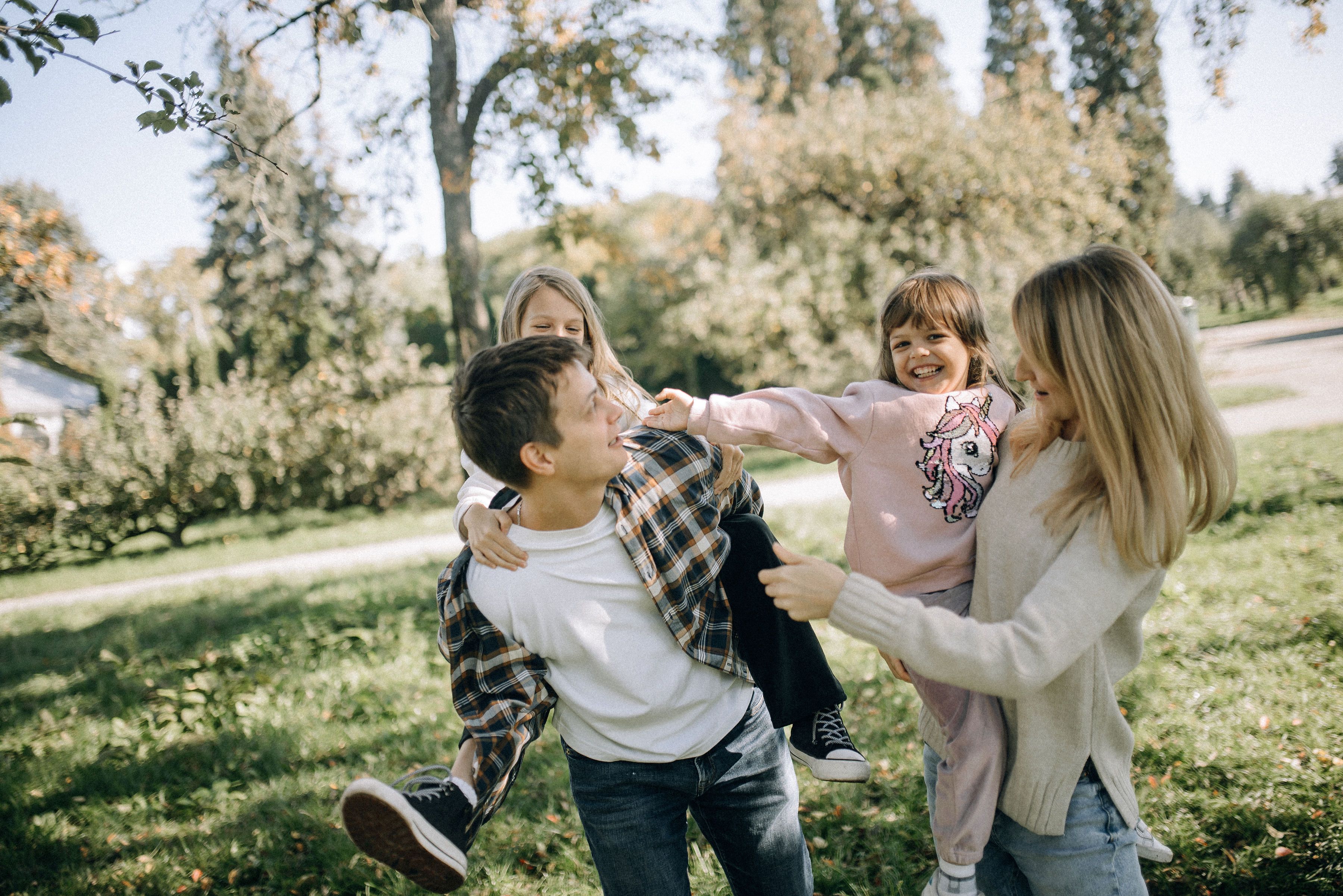
I keep a running list on my phone of places people recommend. When I have a free Saturday, I scroll through and pick something I have not tried yet. That simple habit has taken us to hidden gems we would never have found otherwise. It also takes the pressure off me to come up with ideas on the spot, which is when I tend to default to the same three places.
Manage Expectations Before You Go
Talk to your family the night before or at breakfast. Tell them where you are going, how long you expect to be out, and what kind of activity it is. Let them ask questions and voice concerns. If someone is worried about being tired or bored, address it early. Sometimes just acknowledging the worry is enough to defuse it. I have found that when kids know what to expect, they are far more cooperative than when they feel blindsided.
Also, be honest about your own limits. If you are tired or stressed, say so. Kids pick up on your mood anyway, and pretending you are fine when you are not usually backfires. A simple, "I am a little tired today, so let's take it easy and not rush" sets a realistic tone. It models self-awareness and gives everyone permission to match the pace.
Build in a Simple Ritual to End the Outing
How you end an outing matters as much as how you start. A small ritual like stopping for a treat, taking a group photo at the same spot each time, or letting each person share one thing they liked gives closure. It also creates a positive memory that lingers longer than any frustration from the middle of the day. On the way home, I ask my kids what their favorite part was. The answers are often surprising and always remind me why I bother to plan family outings in the first place. The effort pays off in those small moments of connection that you cannot manufacture.
One more thing: be willing to abandon the plan. If everyone is having a great time at the playground and you were supposed to go to a museum, change the plan. The goal is not to execute a perfect itinerary. The goal is to spend time together in a way that leaves everyone feeling good. Some of our best outings have been the ones where we scrapped the original idea entirely and followed a whim.

Keep It Sustainable
Do not try to do a big outing every weekend. That is a recipe for burnout. Aim for one planned activity per week, maybe two if you have the energy. The rest of the time, let unstructured play at home or a short walk count as your family time. Quality matters more than quantity. When you do plan family outings, make them count by being present. Put your phone away, resist the urge to check email, and actually look at what your kids are showing you. That kind of attention is what they remember.
Over time, you will develop a sense of what works for your family. You will learn which trails are too crowded on Saturdays, which parks have bathrooms that are actually clean, and which times of day your kids have the most energy. That knowledge is invaluable. It makes planning easier and the outings themselves smoother. And the more you do it, the more your kids will come to expect and even look forward to these shared adventures.